

Conservation of the Bateshwar Group of Temples, Morena: An Archaeological Restoration in Madhya Pradesh's Chambal Valley
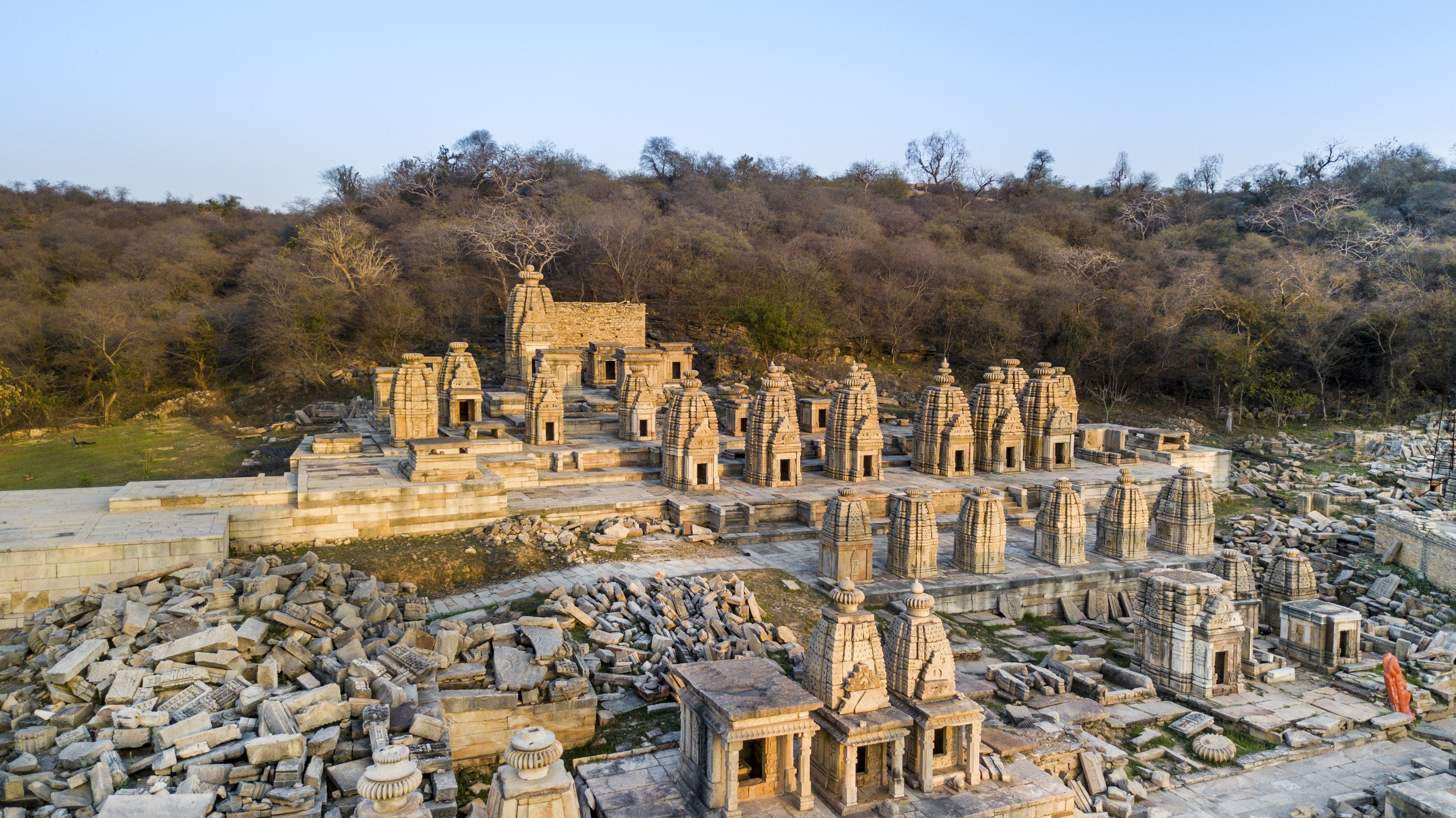
Aerial View of the Bateshwar Temples
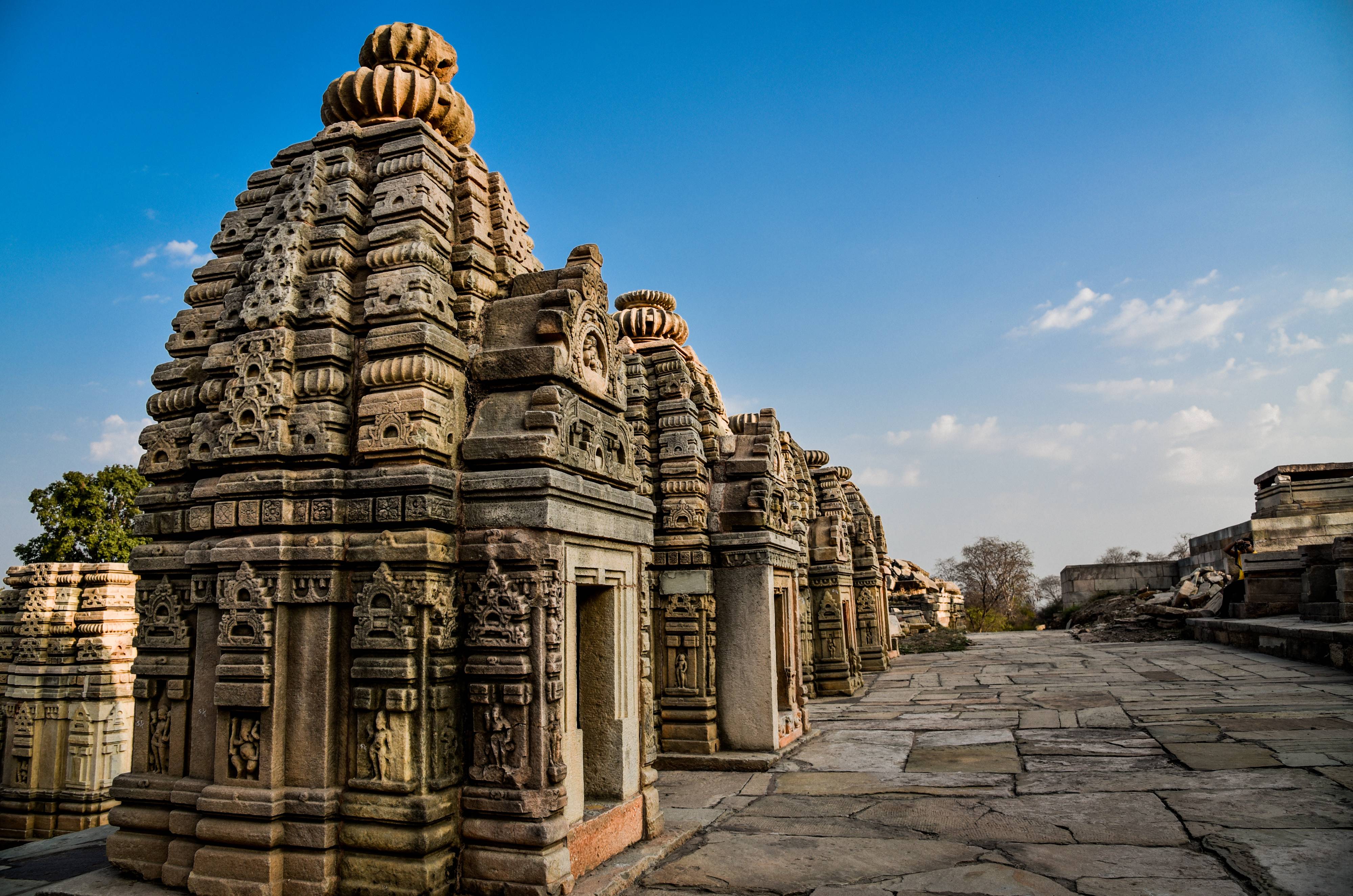
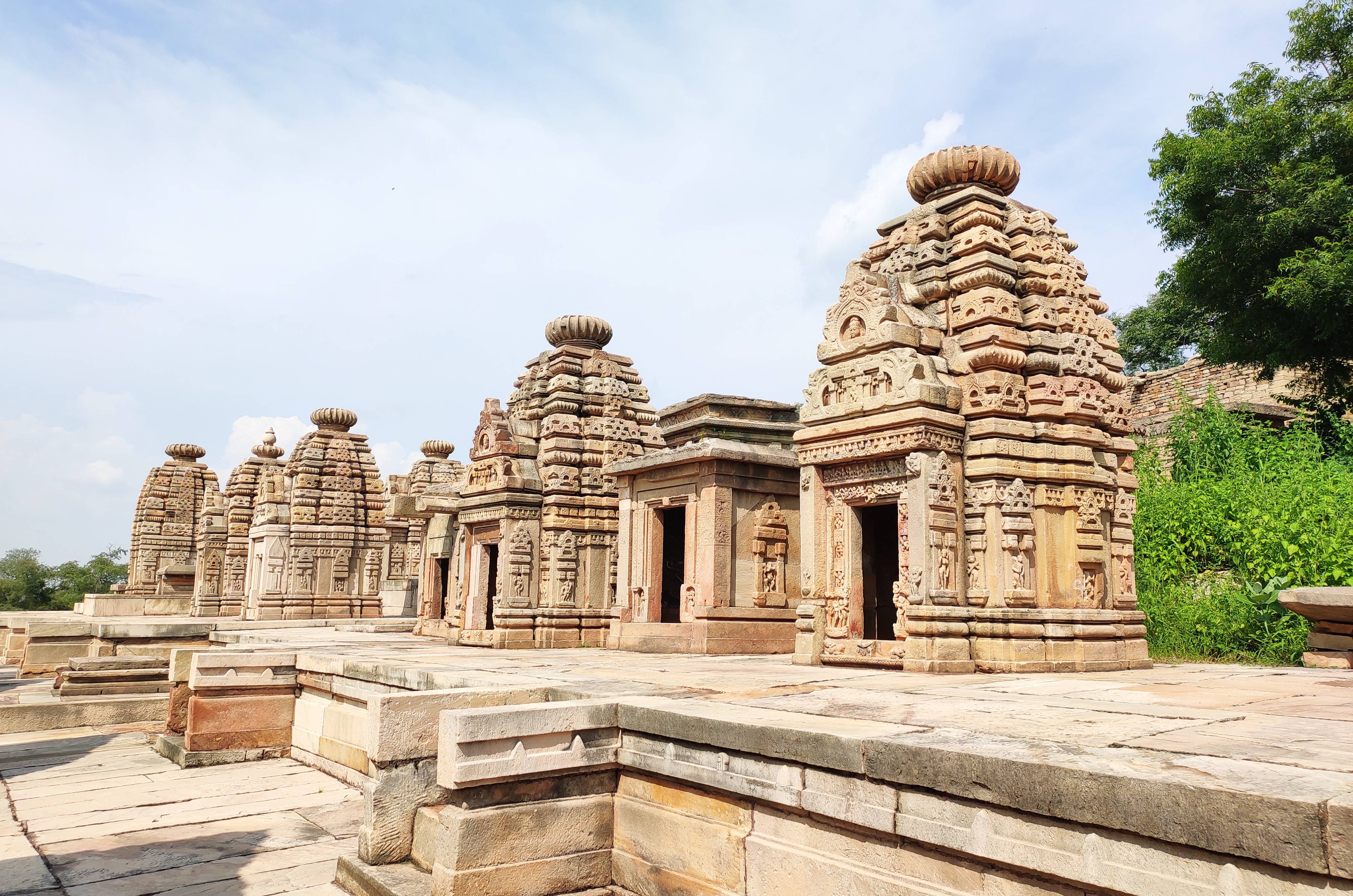
A view of the restored Bateshwar Temples
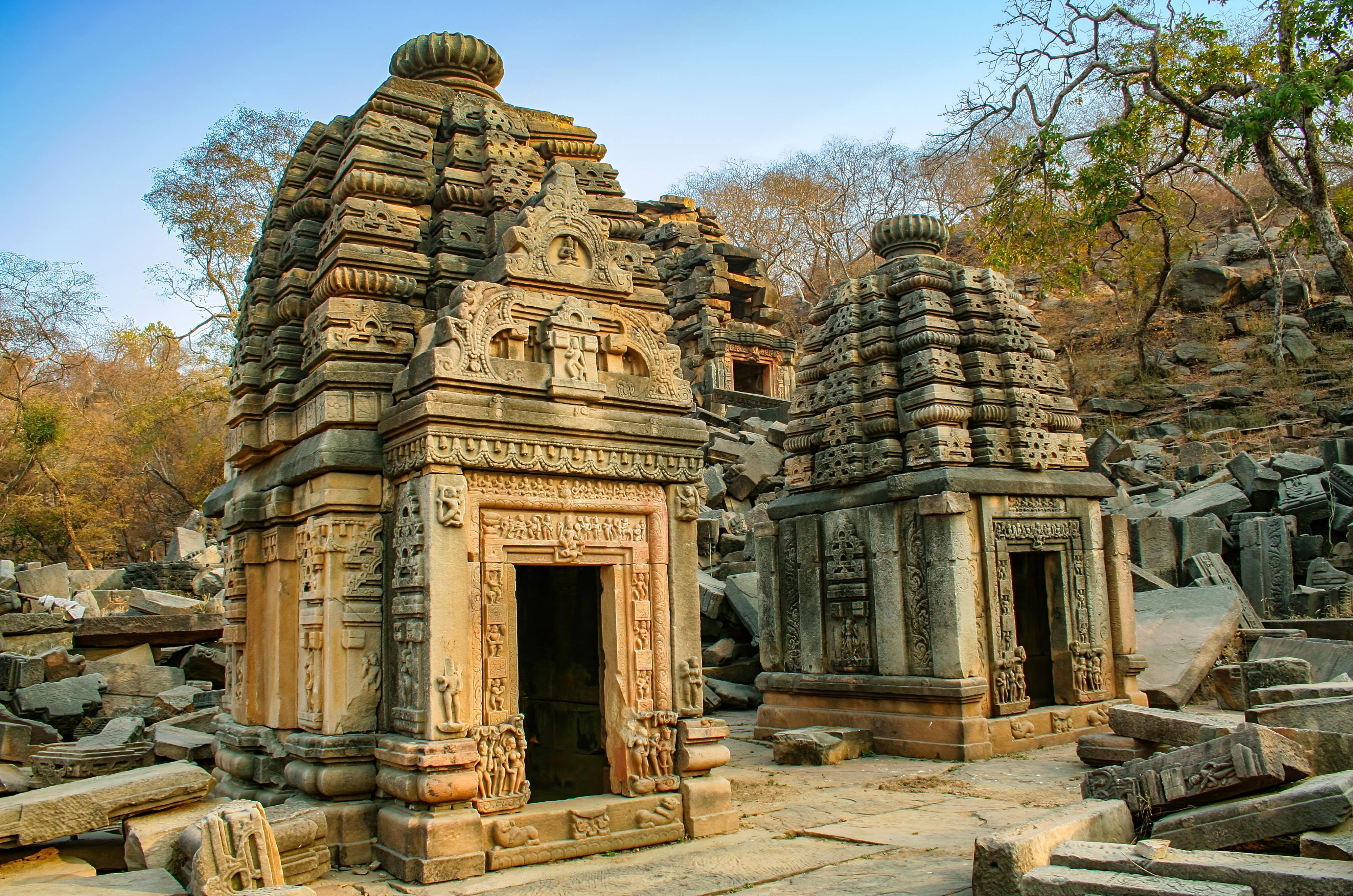
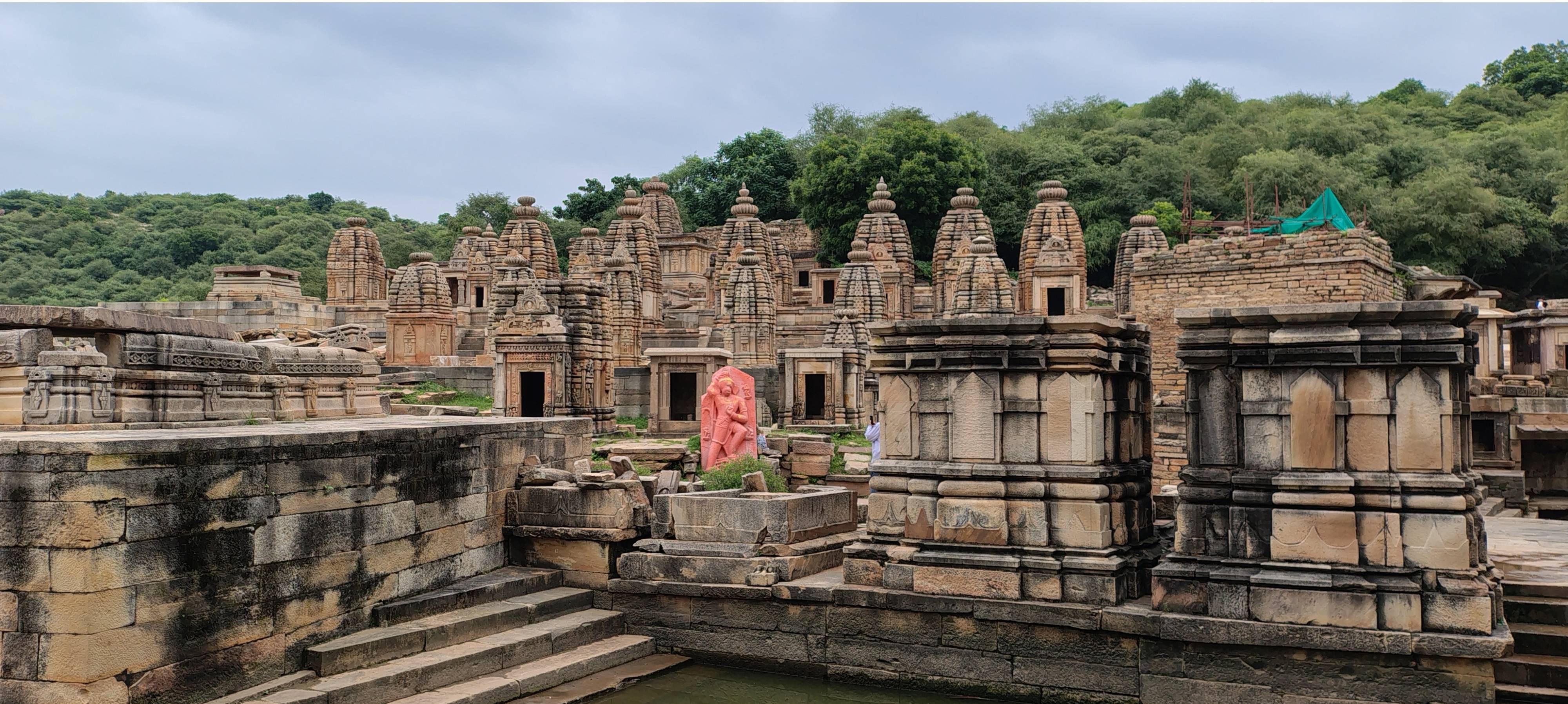
How the Archaeological Survey of India (ASI) restored more than 80 temples at Bateshwar between 2005 and 2012.
BHOPAL , MADHYA PRADESH , INDIA, June 18, 2026 /EINPresswire.com/ -- Nestled within the rugged ravines of the Chambal Valley in the Morena District of Madhya Pradesh, approximately 35 kilometers from Gwalior, lies the Bateshwar Group of Temples. This temple complex comprises nearly 200 sandstone Hindu temples built between the 8th and 11th centuries CE, flourishing during the historic reign of the Gurjara-Pratihara dynasty. Dedicated to the deities Shiva, Vishnu, and Shakti, these sacred structures are spread across roughly 25 acres and represent one of northern India's most significant and dense concentrations of early medieval temple architecture.The Bateshwar complex does not stand in isolation, as it forms a vital part of the wider Mitawali–Padavali–Bateshwar heritage landscape within the Morena District. Nearby, the famous Chausath Yogini Temple at Mitawali is included in UNESCO’s Tentative List under the serial nomination for the Sixty-Four Yogini Temples, highlighting the archaeological and architectural significance of the entire region.
The modern history of the site began in 1882 when it was first documented by the pioneering British archaeologist Alexander Cunningham. Recognizing its immense historical value, the Archaeological Survey of India officially declared it a protected monument in 1924. Despite this formal designation, no major or sustained restoration efforts were undertaken for several decades, leaving the structures vulnerable to the elements, looting, and the passage of time.
Historical evidence suggests that the temple complex may have originally housed as many as 400 individual temples. Scholars believe that a severe earthquake sometime after the 13th century triggered the catastrophic collapse of a large number of these structures. By the early 2000s, the site had deteriorated into a landscape consisting largely of scattered sandstone fragments, collapsed shrines, and dense, vegetation-covered ruins sprawling across the valley.
The restoration of Bateshwar is celebrated today as one of India’s most notable and successful archaeological conservation projects. The catalyst for this transformation occurred in 2004, when Padma Shri awardee K.K. Muhammad, serving as the Superintending Archaeologist of the ASI’s Bhopal Circle, visited the site. He encountered a complex in an advanced state of structural deterioration, where hundreds of ancient architectural fragments lay strewn haphazardly across the ground and many primary structures had collapsed entirely.
Formal restoration efforts officially commenced in 2005. Leading a dedicated team of archaeologists, engineers, and conservation specialists, the ASI took on the painstaking, monumental task of identifying, cataloging, and reassembling thousands of scattered sandstone blocks. This rigorous process has frequently been compared to solving a giant, three-dimensional jigsaw puzzle, with researchers meticulously matching original structural components and systematically reconstructing entire temples utilizing only the surviving architectural evidence.
To ensure historical authenticity, the restoration methodology relied heavily on the detailed structural study of the few remaining standing temple elements, the careful analysis of historical quarry markings found on the stone blocks, and direct guidance from traditional, ancient Indian architectural treatises, specifically the Manasara and the Mayamata.
Over a seven-year period, the ASI successfully restored more than 80 temples, transforming Bateshwar from a site of scattered ruins into a significant example of large-scale temple conservation in India. The restoration project has since been referenced as a notable case study in archaeological conservation and heritage management.
Today, the Bateshwar Group of Temples stands as an important example of heritage conservation and early medieval temple architecture in India. The complex continues to attract archaeologists, historians, students, and visitors interested in the architectural legacy of the Gurjara-Pratihara period and the challenges of preserving historic monuments.
The Madhya Pradesh Tourism Board highlights the Bateshwar Group of Temples as part of the state's wider effort to promote awareness of its archaeological heritage and conservation initiatives. The site remains an important component of the Mitawali–Padavali–Bateshwar heritage landscape in Morena District.
ZM
Madhya Pradesh Tourism Board
email us here
Visit us on social media:
LinkedIn
Instagram
Facebook
YouTube
X
Chambal lies Bateshwar, a complex of 200 ancient temples
Legal Disclaimer:
EIN Presswire provides this news content "as is" without warranty of any kind. We do not accept any responsibility or liability for the accuracy, content, images, videos, licenses, completeness, legality, or reliability of the information contained in this article. If you have any complaints or copyright issues related to this article, kindly contact the author above.
